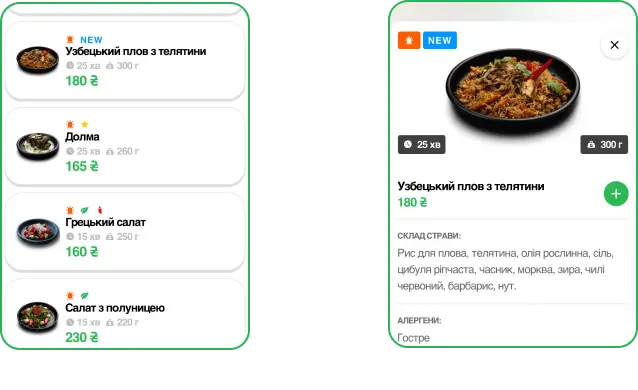
In today’s digital world, restaurants increasingly rely on QR menus to improve customer experience. One of the most powerful factors influencing a guest’s decision to order a dish is its photo. But what kind of images actually drive more orders?
In this article, we will cover:
- The importance of high-quality photos in a QR menu
- Who can create food photos for your menu
- How to prepare a clear brief for a food photographer
- How to create high-quality images on your own
Why High-Quality Photos in a QR Menu Matter
From real restaurant experience, up to 82% of guests choose dishes based on photos. That makes high-quality images essential for any digital menu. Bright, sharp, and well-lit photos attract attention and stimulate appetite.
People remember only about 10% of what they read or hear, but when combined with relevant visuals, this number increases up to 65%. Food photos simplify decision-making — guests clearly understand what they will get. Images act as emotional triggers that convey taste, portion size, and overall appeal.
Who Creates Photos for a QR Menu?
HoReCa-focused agencies. Agencies provide high-quality results, structured processes, and expertise. They prepare briefs, bring equipment, manage lighting, and deliver professionally edited images.
Freelance food photographers. Working with freelancers is similar, but not all of them have professional lighting equipment — something to consider.
SMM specialists. If your team includes someone skilled in photography and editing, this can be a good option. However, they often lack professional gear.
How to Prepare a Clear Brief for a Food Photographer
- Invite the photographer to evaluate lighting conditions in your venue
- Clearly explain your expectations
- Show examples of menus you like
- Specify the number of dishes and presentation style (plates matter)
- Define angles, backgrounds, lighting, and format together
- Request references or mood boards to avoid misunderstandings
How to Create High-Quality Photos Yourself
Creating attractive food photos may seem complex, but by following simple rules, you can achieve excellent results.
The dish must be fully in focus — no blur. Only the background can be slightly out of focus.
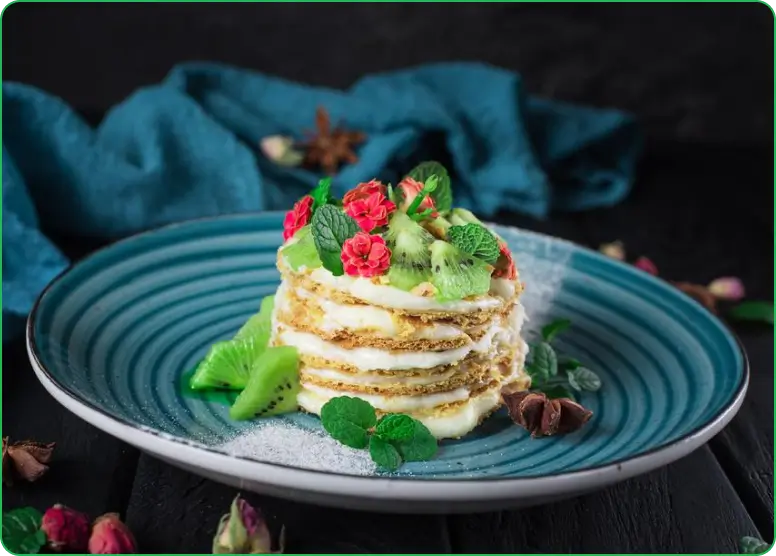
Consistency is key — do not change angles for every dish. Typically, photographers use only 1–2 angles:
- 90° — for most main dishes (pizza, soups, flat dishes)
- 45° — for desserts and volumetric starters
- 90° — for bottles
- 10–20° — for drinks like cocktails, lemonades, coffee
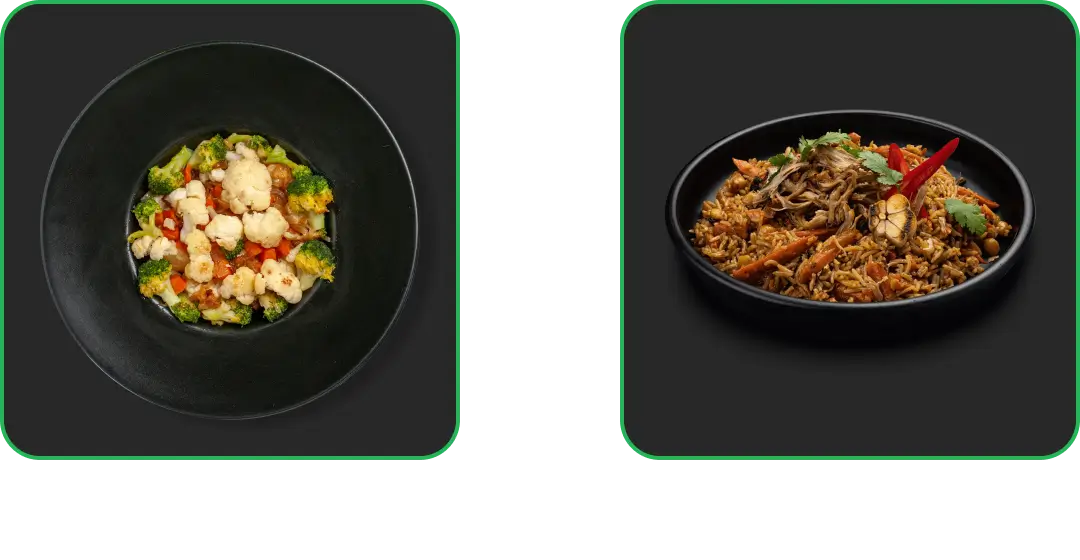
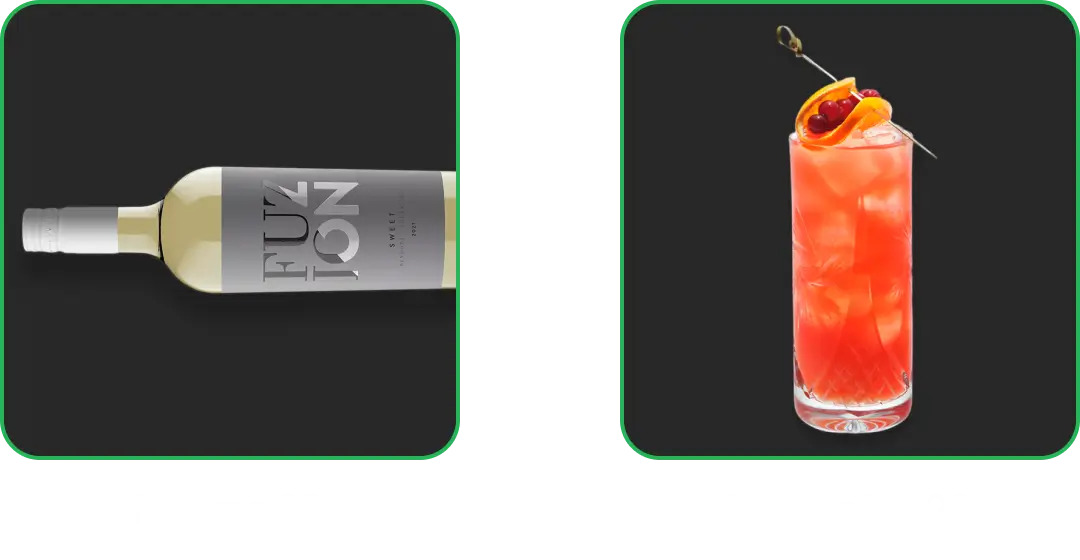
All images should have consistent background and editing style:
- Balanced color temperature (not too cold or too warm)
- Accurate color correction (food should look fresh and appetizing)
- Consistent exposure and contrast
- Neutral background (white, gray, or black works best)
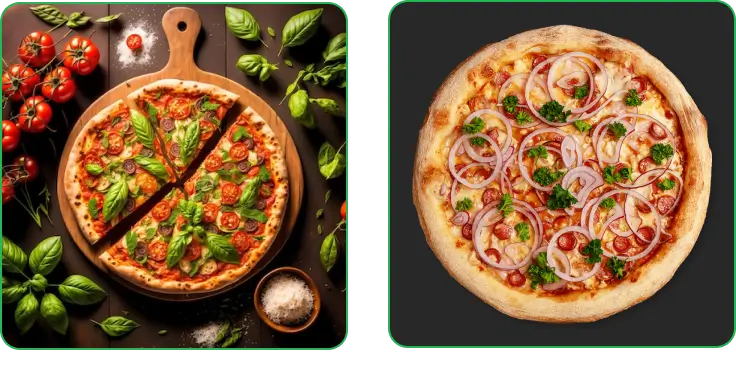
Avoid overloading images with unnecessary props. Keep the focus on the dish. Treat your menu like an e-commerce catalog — clean, minimal, and clear visuals perform better than overly artistic compositions.